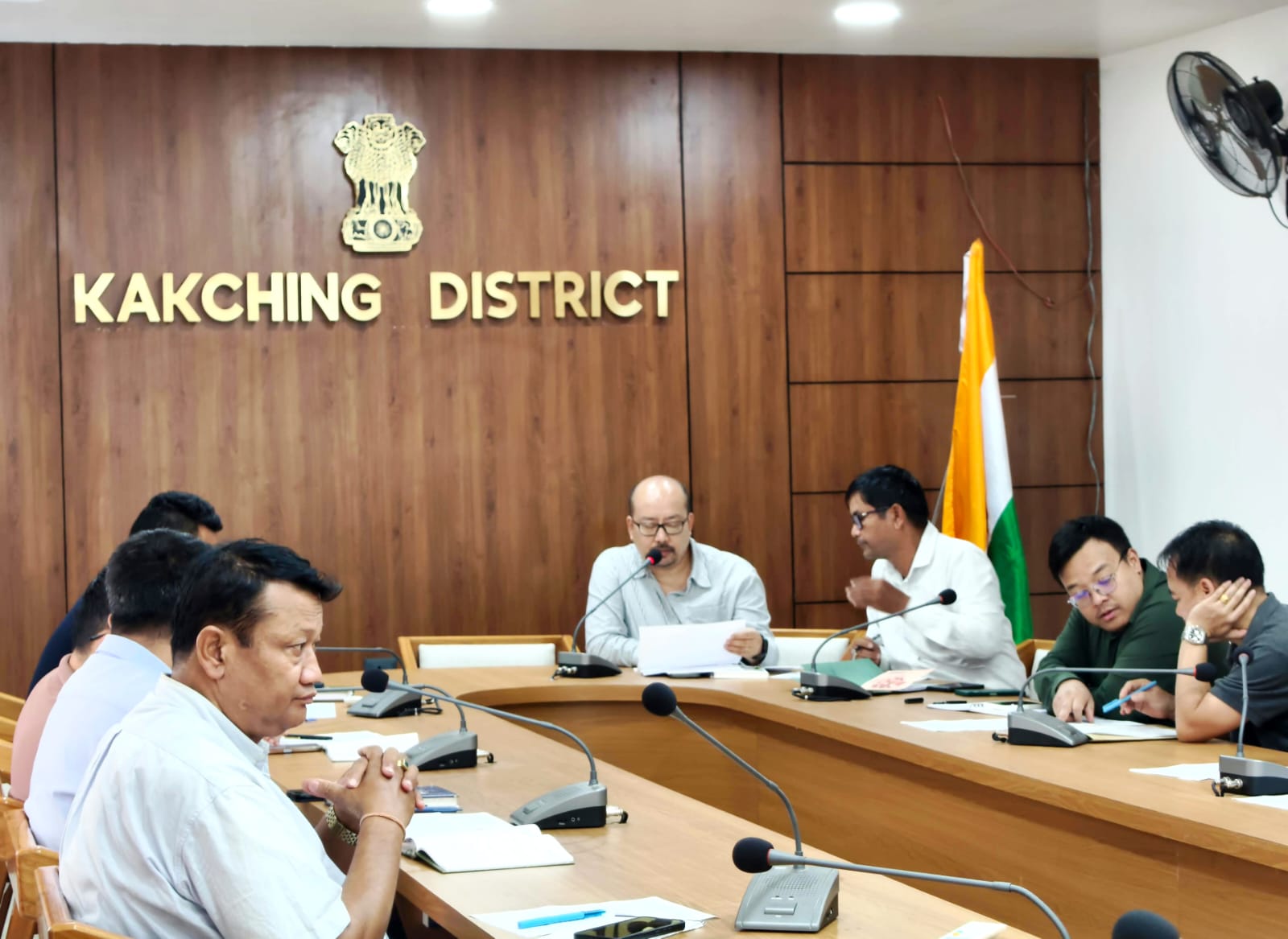

Imphal: The State Level Nodal Agency (SLNA), Watershed Management, Manipur, under the Pradhan Mantri Krishi Sinchayee Yojana–Watershed Development Component 2.0 (PMKSY-WDC 2.0), will organise Reform Utsav from October 2 to December 2026 across watershed project areas of the State.
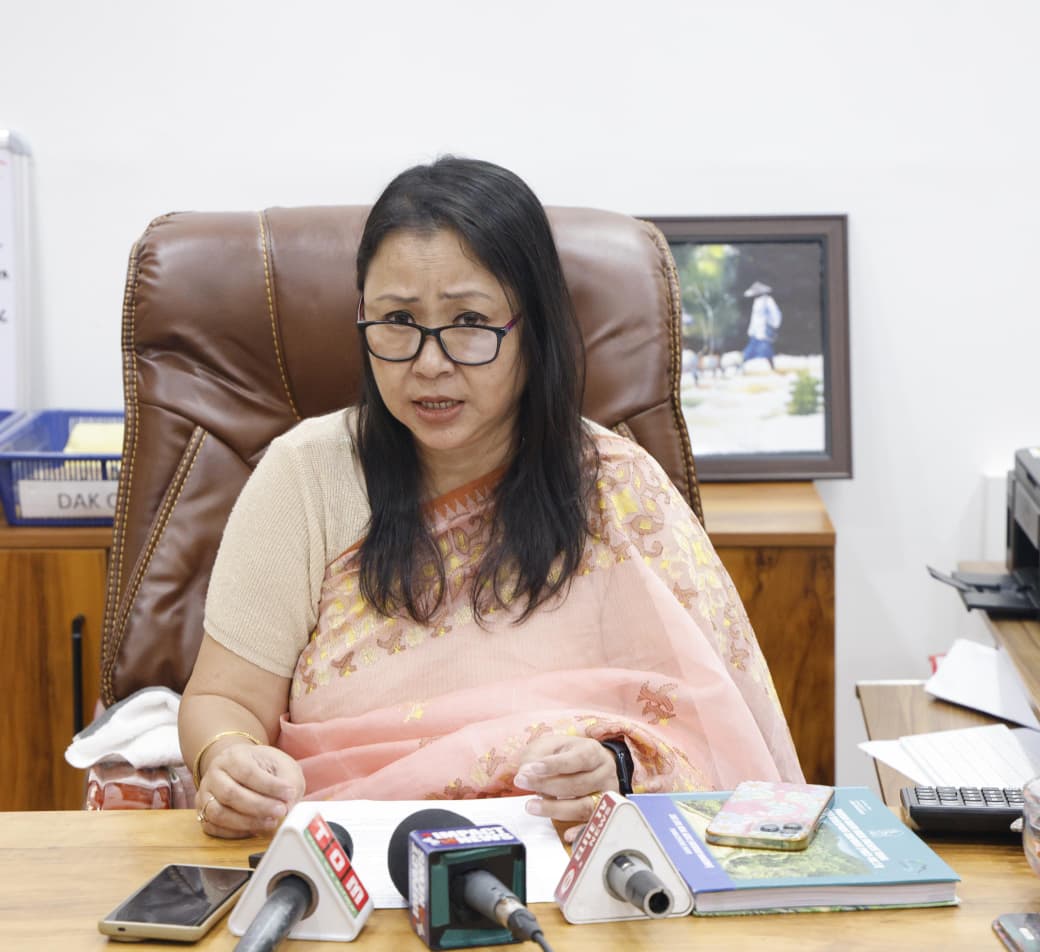
Speaking at a press meet today, Dr. Rajkumari Sunita Devi, Chief Executive Officer (CEO), SLNA, Watershed Management, Manipur, said the campaign would focus on grassroots outreach, particularly in remote areas, and strengthen cooperation between implementing agencies and communities. The campaign aims to bring watershed development closer to the people, strengthen Jan Bhagidari, raise awareness about PMKSY-WDC 2.0 reforms and provide farmers and rural communities a platform to share their experiences, suggestions and needs.
She said Reform Utsav would promote transparency by informing people about government schemes while also incorporating their feedback. Activities will include awareness programmes, Gram Sabha interactions, village and district-level outreach, exhibitions, demonstrations and other public events. On October 2, information about the campaign and watershed benefits will be shared through Gram Sabha meetings across project areas. The Watershed Cell-cum-Development Committee (WCDC) and implementing teams will visit villages to explain the reforms and encourage participation. Special attention will be given to hill districts, including Ukhrul and Senapati.
Dr. Sunita Devi said PMKSY-WDC 2.0 has expanded watershed development beyond soil and water conservation to include livelihood development, income generation, community participation, transparency and market opportunities. The programme seeks to improve land and water management, groundwater recharge, agricultural productivity and rural livelihoods.
The unit cost has increased from ₹12,000 to ₹22,000 per hectare in plain areas and from ₹15,000 to ₹28,000 per hectare in hilly and difficult areas, allowing more comprehensive, location-specific interventions. The implementation period has been reduced from 4–7 years to 3–5 years to speed up completion and delivery of benefits.
Another major reform is Springshed Development and Management, especially relevant to Manipur’s hill districts, where springs are vital water sources. Their scientific rejuvenation and sustainable management are expected to improve water security. The programme also promotes Jan Andolan and Jan Bhagidari, making watershed development a people’s movement. The nationwide Watershed Yatra, launched in 2025, encouraged community participation and ownership of watershed assets.
PMKSY-WDC 2.0 follows a “resource-to-income” approach, linking conservation with quality seeds, improved farm implements, crop diversification, horticulture, agroforestry, processing, value addition and marketing. Benefits under the specific interventions mentioned have reached 13 districts of Manipur, excluding Thoubal, Kamjong and Bishnupur. Major assets include 60 power tillers, greenhouses in 80 villages, 36 power looms in valley districts, dehydrators in hill districts and sprinklers in Ukhrul and Senapati.
These interventions are intended to reduce farm labour, promote protected cultivation, improve irrigation, reduce post-harvest losses and strengthen processing and value addition. The programme also supports production systems and micro-enterprises, enabling rural communities and registered Micro, Small and Medium Enterprises (MSMEs) to participate in livelihood activities.
Reform Utsav will showcase products and achievements of watershed communities through exhibitions, demonstrations and product displays involving farmers, Self Help Groups, artisans and rural entrepreneurs. A product exhibition and pop-up market is planned on October 12, featuring products prepared by village-based artisans and community members. The platform is intended to improve visibility, connect producers with consumers and create market opportunities.
The campaign will also help communities understand the works undertaken in their areas, programme objectives and available benefits. Feedback from beneficiaries will be used to identify gaps and improve implementation. The reforms being highlighted include increased unit costs, shorter implementation periods, Springshed Development and Management, community ownership and the shift to a “resource-to-income” approach. The programme also promotes farm mechanisation, protected cultivation, improved irrigation, processing, value addition, rural production systems, micro-enterprises and MSME participation.
Outreach will be carried out through Gram Sabhas, village visits, community interactions and digital platforms, including the Watershed Management Facebook page, for public information and updates.
Dr. Sunita Devi encouraged farmers, Gram Panchayats, Self Help Groups, youth, artisans, entrepreneurs and other stakeholders to participate actively and share their suggestions and experiences. She said the campaign would strengthen links between conservation, agriculture, livelihoods and markets while giving communities a greater role in implementing watershed programmes.
The SLNA has appealed to all stakeholders to make Reform Utsav a meaningful exercise in Jan Bhagidari, transparency and community ownership. The campaign will continue from October 2 to December 2026 across watershed project areas, to improve water security, sustainable agriculture, livelihoods, income opportunities and inclusive rural development in Manipur.