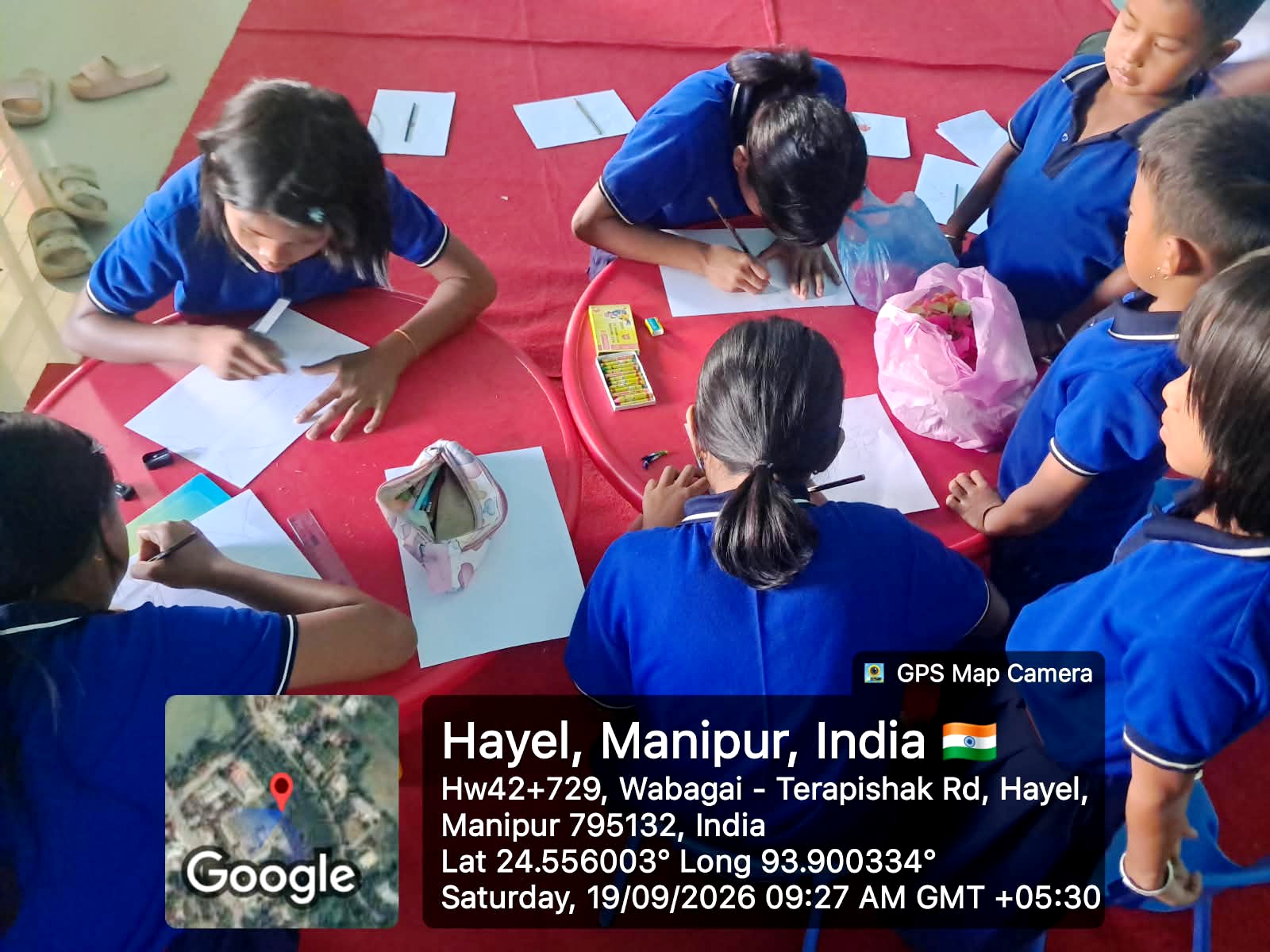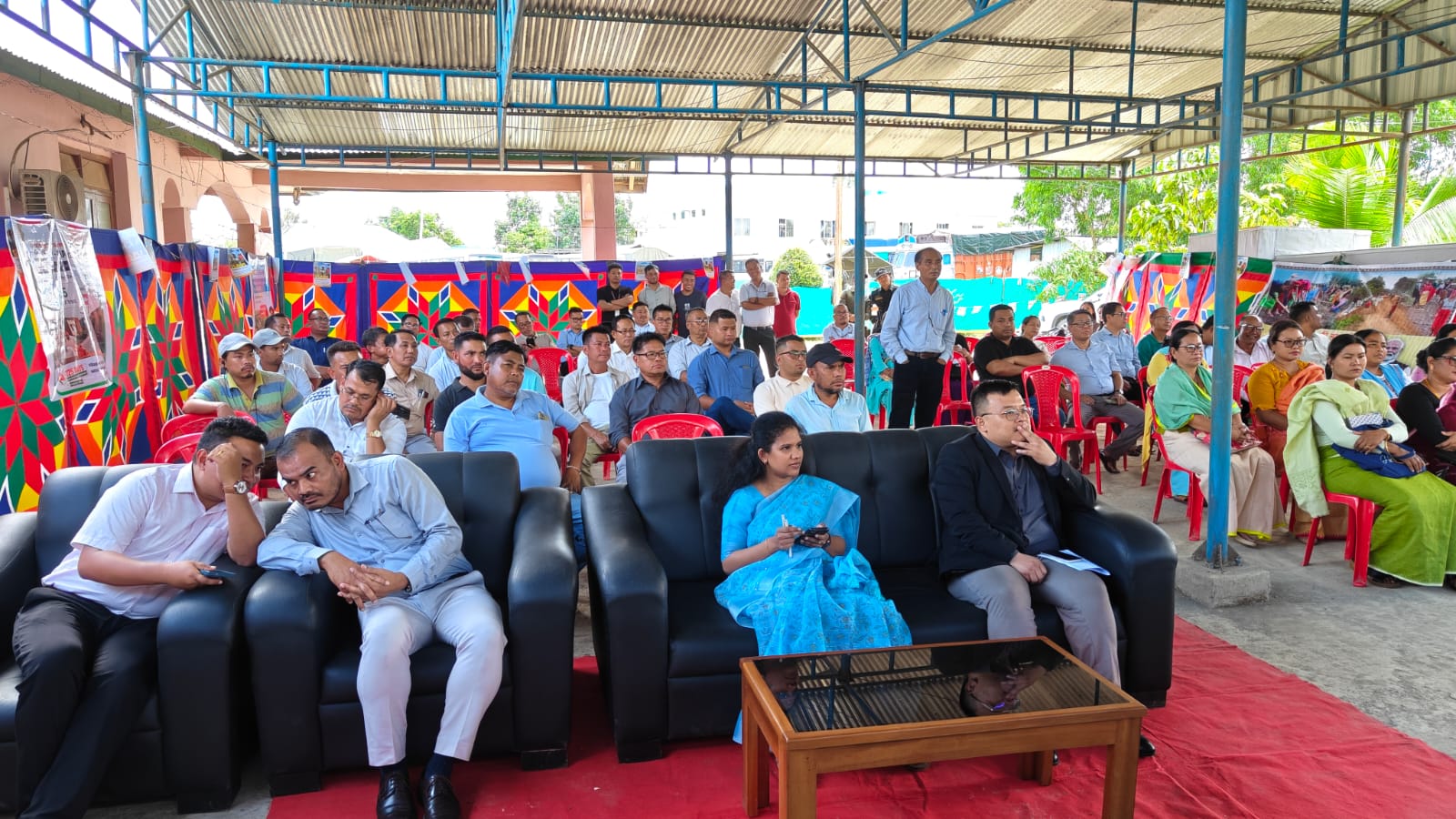

Kakching : District-level Jan Sammelan-cum-launch programme of the Viksit Bharat – Guarantee for Rozgar and Ajeevika Mission (Gramin) (VB-G RAM G) was held today at the Deputy Commissioner Office Complex, Kakching organised by District Administration Kakching.
The programme was attended by Angeline Renita R, IAS, DC Kakching; Phurailatpam Bhavananda Singh, MCS, ADM Kakching; Kherdananda Potsangbam, MCS, SDO Kakching; Khwairakpam Tompok, MCS, SDO Waikhong; along with other officials.
Job card holders, members of Self-Help Groups (SHGs) and other stakeholders also participated in large numbers in the launch programme. Information, Education and Communication (IEC) materials related to the VB-G RAM G were distributed to the participants.
As part of the event, participants watched the live telecast of the national launch of the Viksit Bharat – Guarantee for Rozgar and Ajeevika Mission (Gramin) Act, 2025, held at Mukkavaripalli village in Obulavaripalle Mandal of Tirupati district, Andhra Pradesh. The mission was formally launched by Shivraj Singh Chouhan, Union Minister for Rural Development and Agriculture & Farmers’ Welfare.
Following the launch, officials interacted with participants and held a brief discussion on the provisions and objectives of the VB-G RAM G Act, creating awareness about the mission and its implementation at the grassroots level.
VB-G RAM G Act, which replaced Mahatma Gandhi National Rural Employment Guarantee Act (MGNREGA), guarantees wage employment for rural households from 100 to 125 days per financial year and seeks to create durable rural assets while accelerating the vision of Viksit Bharat @2047.
The gram panchayats will continue to play a key role in implementation of the scheme, with focus on areas such as natural resource management, water conservation, agriculture & allied activities, rural infrastructure and women’s empowerment through Self Help Groups, convergence with flagship rural development programmes, and technology-enabled transparent governance.
The Act aims to strengthen village economies, generate sustainable livelihoods and improve the quality of life in rural areas through participatory planning and effective implementation.