
Shillong: An Awareness and Outreach Programme on the New Income Tax Bill, 2025 under the nationwide campaign “Prarambh 2026” was organised in Shillong to create awareness and enhance public understanding of the provisions, reforms and taxpayer-friendly features of the proposed legislation among stakeholders, taxpayers, professionals and students.
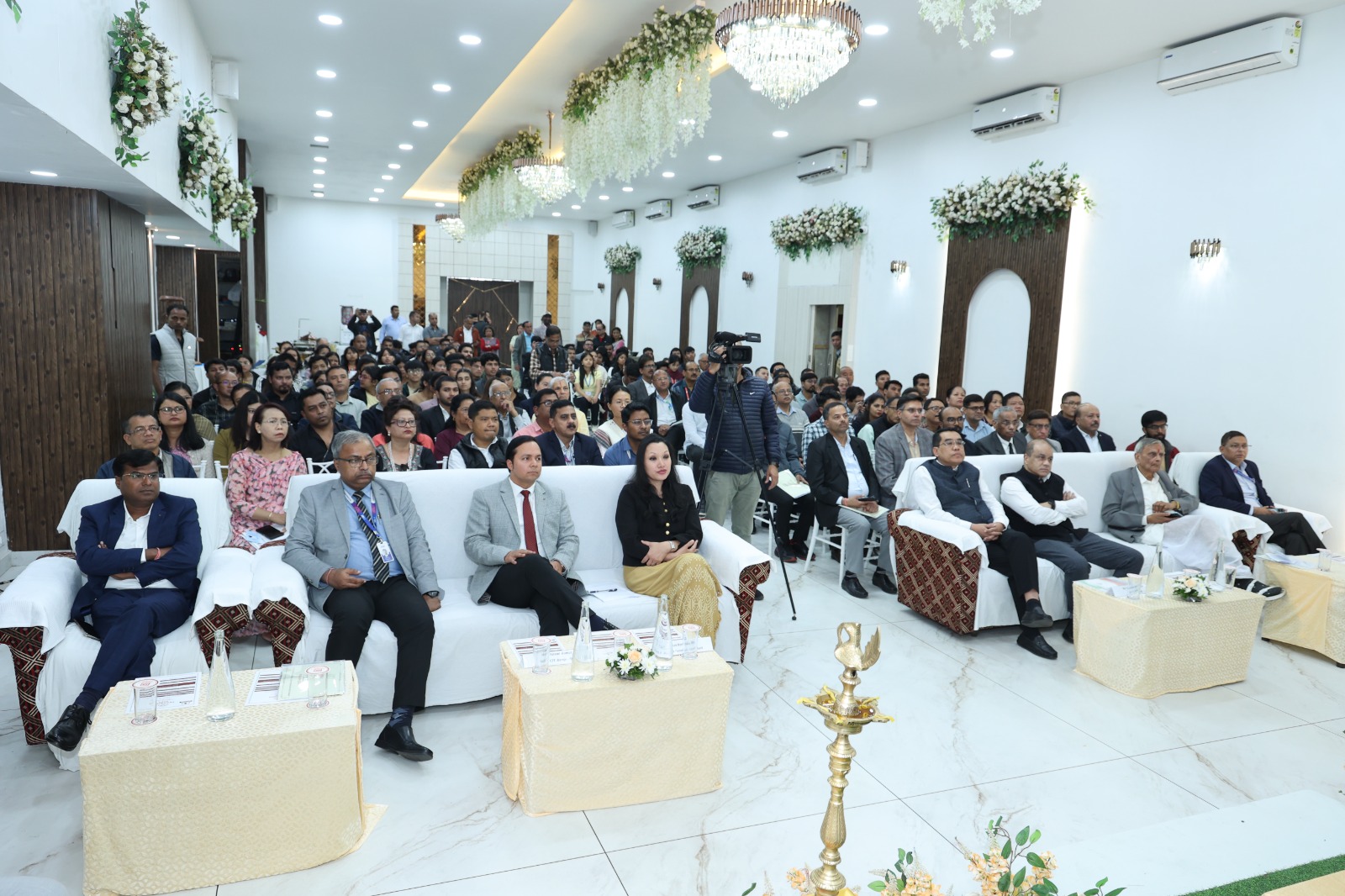
The programme witnessed participation from officials of the Income Tax Department, representatives from institutions and professional bodies, taxpayers and members of the public. The initiative forms part of a nationwide outreach campaign being undertaken by the Income Tax Department to facilitate wider dissemination and understanding of the New Income Tax Bill, 2025 and its simplified framework.
The dignitaries present during the programme included Imokaba Jamir, Principal Commissioner of Income Tax, Shillong; D.A.J. Sawkmie, Commissioner of Income Tax (Retd.); Rentei Renthlei, Commissioner of Income Tax (Appeals Central), Guwahati; and Anand Kumar, Additional Commissioner of Income Tax, Range Shillong.
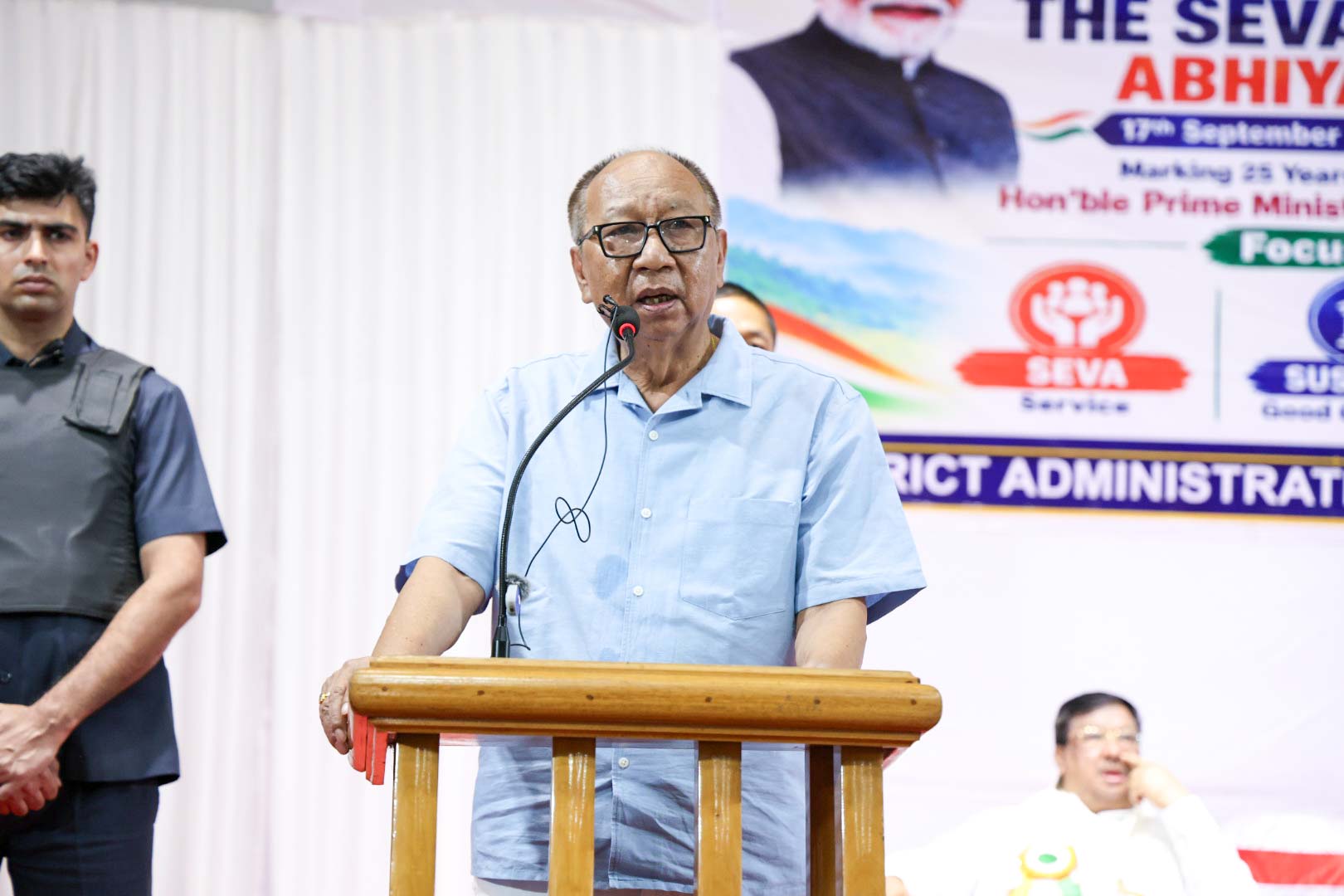
Addressing the gathering, Imokaba Jamir stated that the nationwide awareness campaign “PRARAMBH 2026” has been launched by the Income Tax Department to effectively communicate the key aspects and implementation framework of the New Income Tax Bill, 2025. He noted that the campaign symbolizes a fresh beginning aimed at simplifying direct tax laws and making them more transparent, accessible and easier to understand for citizens and taxpayers.
He informed that the outreach campaign was launched by the Hon’ble Finance Minister in New Delhi on March 20, 2026, while the regional launch for the North Eastern Region was held in Guwahati on May 7, 2026. He further stated that awareness programmes are being conducted across the North Eastern states and would subsequently be extended to smaller towns, rural areas and remote locations to ensure wider outreach and last-mile dissemination of information.
Highlighting taxpayer facilitation initiatives, Jamir informed that standardized communication materials, including brochures in English, Hindi, and ten other Indian languages, have been released to simplify understanding of the proposed legislation. He also highlighted the launch of “Kar Saathi”, an AI-powered chatbot developed to assist taxpayers in understanding provisions of the New Income Tax Bill and addressing queries in a simple, interactive and user-friendly manner.
Explaining the guiding principles of the New Income Tax Bill, Jamir referred to the acronym “SIMPLE” introduced by the Hon’ble Finance Minister, emphasizing streamlined structure, integrated provisions, minimized litigation, practical and transparent reforms, adaptability and efficient tax administration.
He stated that the proposed legislation seeks to simplify the direct tax framework significantly by reducing the number of sections from 819 to 536, rules from 511 to 333, and forms from 399 to 190, thereby improving readability and reducing complexity. He also clarified that there has been no change in tax policy or tax rates under the proposed framework.There is no change in tax policy or tax rates in the new act.The exemption for tribal communities in north east states like Meghalaya, previously under Section 10(26), is still available.
Speaking during the programme, Anand Kumar elaborated on the review and restructuring process undertaken for the New Income Tax Bill. He stated that the reforms aim to simplify legal language, consolidate scattered provisions, remove outdated terminology and improve taxpayer convenience through structured tables and schedules.
Addressing the participantsRentei Renthlei highlighted reforms relating to TDS provisions, advance tax, surveys and search procedures proposed under the New Income Tax Bill. She also emphasized modernization of provisions relating to digital assets and lawful access to digital evidence while maintaining procedural safeguards and taxpayer rights.
The programme concluded with interactive sessions and stakeholder engagement, during which participants were encouraged to raise queries and provide feedback regarding the proposed legislation and the outreach initiatives being undertaken under “Prarambh 2026”.